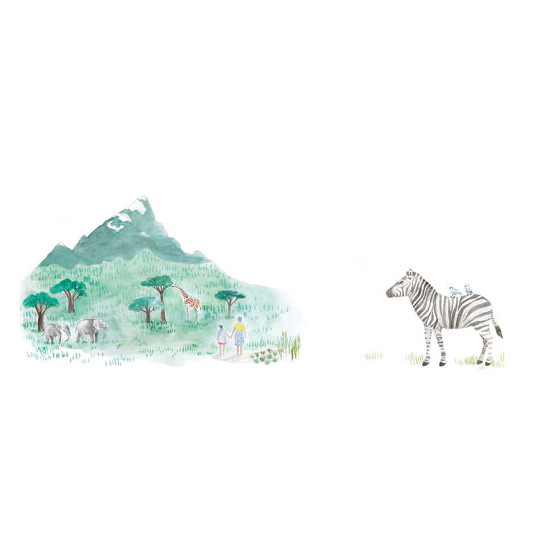
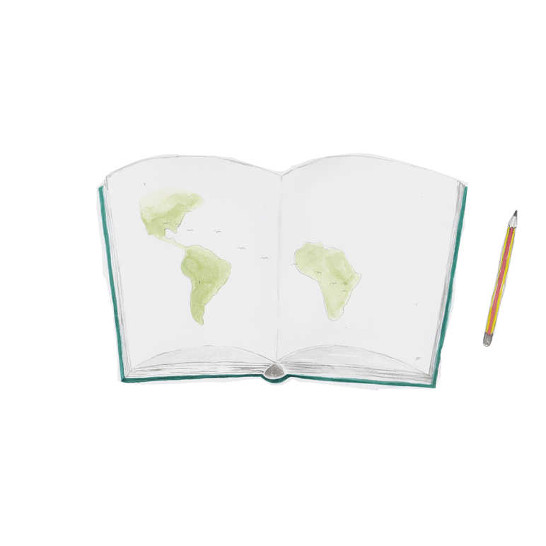
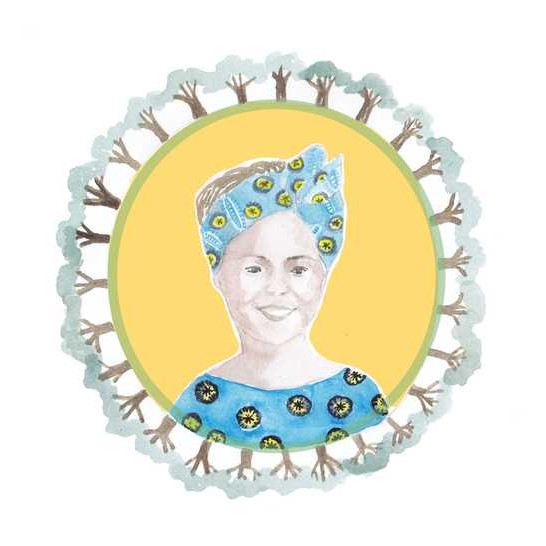
Mwa munzi wo kwatuko alilundu la Kenya kwa upa wa Africa, mwanana wa musizani nabelekanga mwa masimu ni bo mahe. Libizo lahae neeli Wangari.
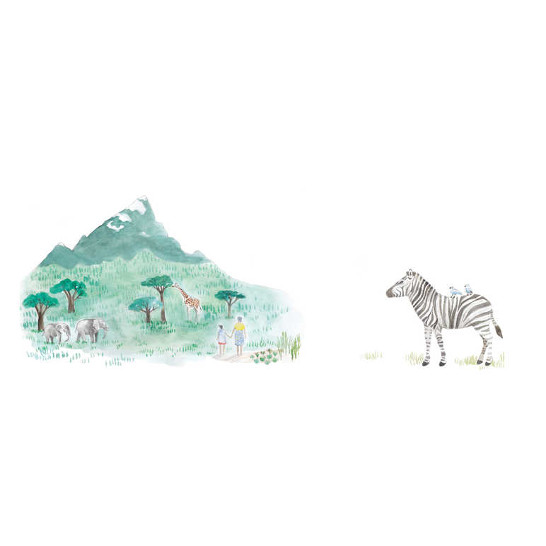
In a village on the slopes of Mount Kenya in East Africa, a little girl worked in the fields with her mother. Her name was Wangari.
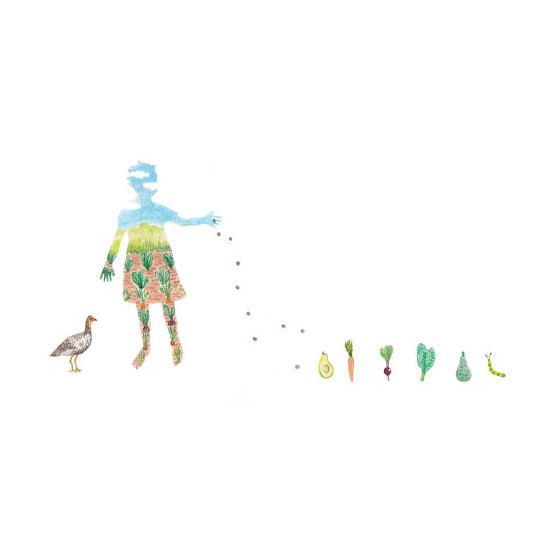
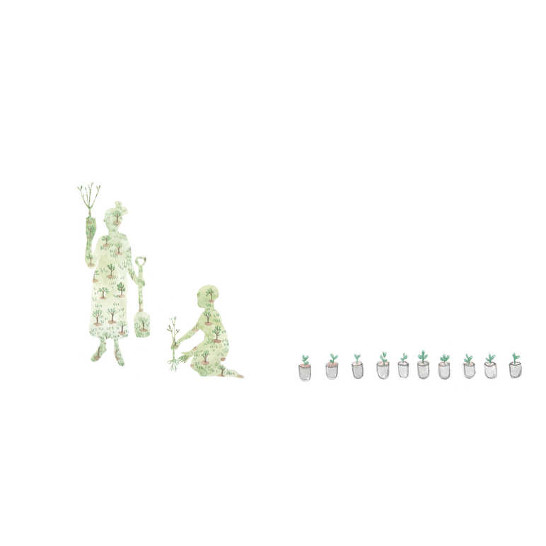
Wangari nalata hahulu kuina fande. Mwa simu ya lico ya lubasi lwahae na limanga ka sabule. Nacezi tupeu totunyinyani-nyinyani mwa mubu.
Wangari loved being outside. In her family’s food garden she broke up the soil with her machete. She pressed tiny seeds into the warm earth.
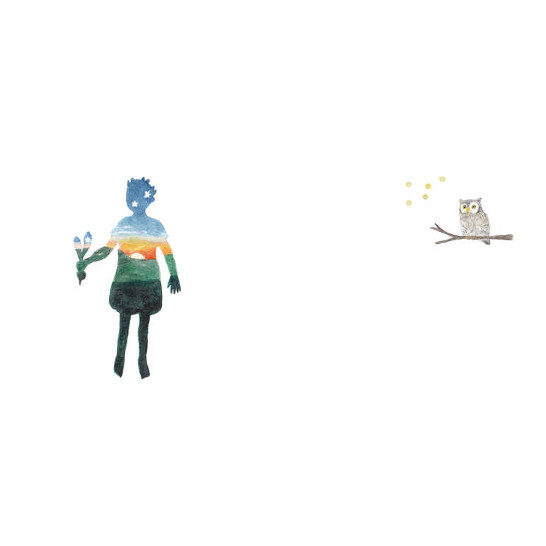
Nako ya lizazi yanalata hahulu neeli manzibwani. Hanekubanga lififi hahulu kuli hasakona kubona licalo, Wangari nazibanga kuli neeli nako yakuya kwa ndu. Na latelelanga kanzilanyana kene kafita mwa masimu, kusila linuka inge ayoya.
Her favourite time of day was just after sunset. When it got too dark to see the plants, Wangari knew it was time to go home.
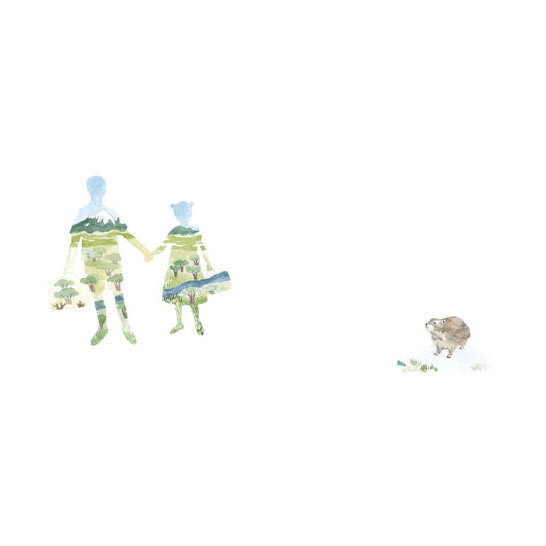
She would follow the narrow paths through the fields, crossing rivers as she went.
Wangari neeli mwana yanatalifile mi nanyolezwi kuya kwa sikolo. Kono bo mahe ni bo ndatahe nebabata kuli asike akena sikolo mi abatuse fandu. Hana kwanisize lilimo zeketa izoho ni zepeli, kezelaa hae yomuhulu asusueza bashemi ba bona kumulumeleza kuya kwa sikolo.
Wangari was a clever child and couldn’t wait to go to school. But her mother and father wanted her to stay and help them at home.
When she was seven years old, her big brother persuaded her parents to let her go to school.
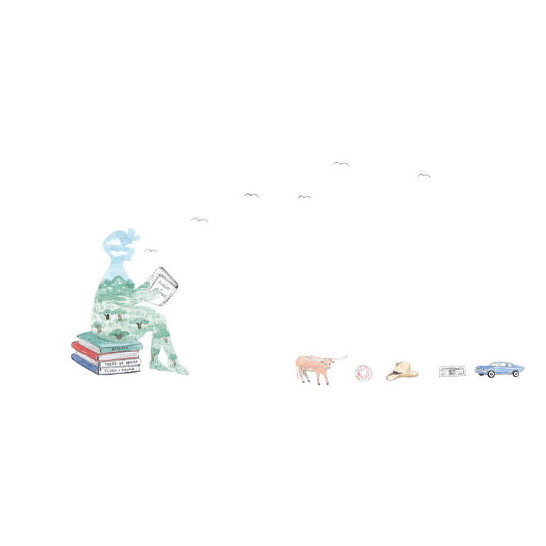
Nalata kuituta! Wangari naituta zeñata mwa libuka zanabalanga. Naezize hande hahulu kwa sikolo kuli mane amemiwa kuyo itutela kwa naha ya United States of America. Wangari nanyakalalile hahulu! Nabata kuziba hahulu zeñata za lifasi.
She liked to learn! Wangari learnt more and more with every book she read. She did so well at school that she was invited to study in the United States of America.
Wangari was excited! She wanted to know more about the world.
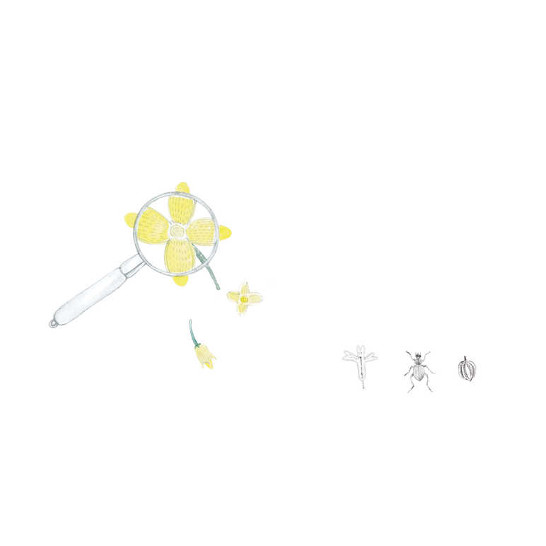
Fa sikolo sesipahami sa America Wangari naitutile lika zenca zen’gata. Naitutile licalo ni molihulela. Mi nahupulanga ni mwanahulela: kubapala lipapali ni likezeli zahae mwa muluti wa likota za mishitu ye minde ya Kenya.
At the American university Wangari learnt many new things. She studied plants and how they grow. And she remembered how she grew: playing games with her brothers in the shade of the trees in the beautiful Kenyan forests.
Ka mwanaitutela hahulu, ki kamo na lemuha kuli nalata hahulu batu ba naha ya Kenya. Nabata kuli babe babatabile ni kulukuluha. Ka mwanaitutela hahulu, ki kamo na hupulelanga kwa ndu yahae mwa Africa.
The more she learnt, the more she realised that she loved the people of Kenya. She wanted them to be happy and free.
The more she learnt, the more she remembered her African home.
Hasa felize lituto zahae, hakutela kwa naha ya Kenya. Kono naha yahae nese icincize. Masimu amatuna na ambekile sibaka sesituna. Basali nebasina likota zaku apehisa. Batu nebanyandile mi banana nebashwile tala.
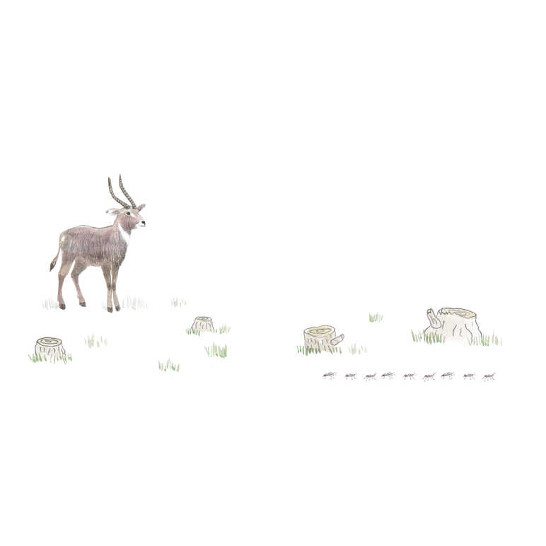
When she had finished her studies, she returned to Kenya. But her country had changed. Huge farms stretched across the land. Women had no wood to make cooking fires. The people were poor and the children were hungry.
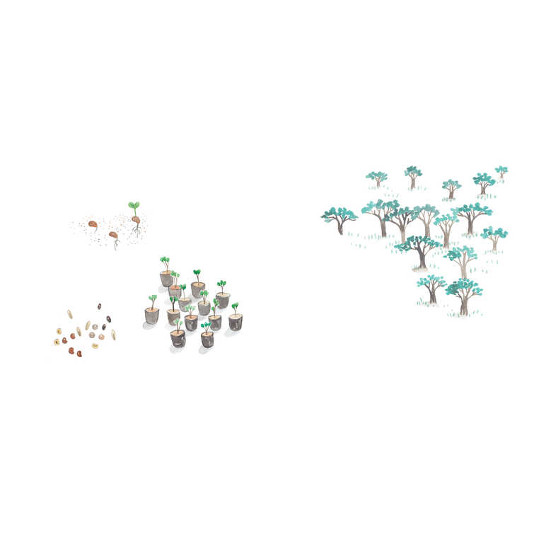
Wangari nazibile zakueza. Aluta basali mwa kucalela likota kuzwa kwa lipeu. Basali neba lekisa likota ni kuitusisa masheleñi kubabalela mabasi abona mi nebatabezi hahulu. Wangari nabatusize kuli baikutwe kuba ni mata ni kutiya.
Wangari knew what to do. She taught the women how to plant trees from seeds. The women sold the trees and used the money to look after their families. The women were very happy. Wangari had helped them to feel powerful and strong.
Nako hainze ifita, likota zenca zenecezwi selihula kueza mishitu mi ni linuka zakala kububa hape. Liñusa la Wangari la zibahala mwa linaha za Africa. Kacenu, likiti-kiti za likota lihulile kuzwelela fa peu ya Wangari.
As time passed, the new trees grew into forests, and the rivers started flowing again. Wangari’s message spread across Africa. Today, millions of trees have grown from Wangari’s seeds.
Wangari nabelekile katata. Batu mwa lifasi kaufela nebalemuhile mi bamufa mupuzo wotumile. Ubizwa Nobel Peace Prize mi neeli yena musali wapili mwa Africa kuamuhela mupuzo woo.
Wangari had worked hard. People all over the world took notice, and gave her a famous prize. It is called the Nobel Peace Prize, and she was the first African woman ever to receive it.
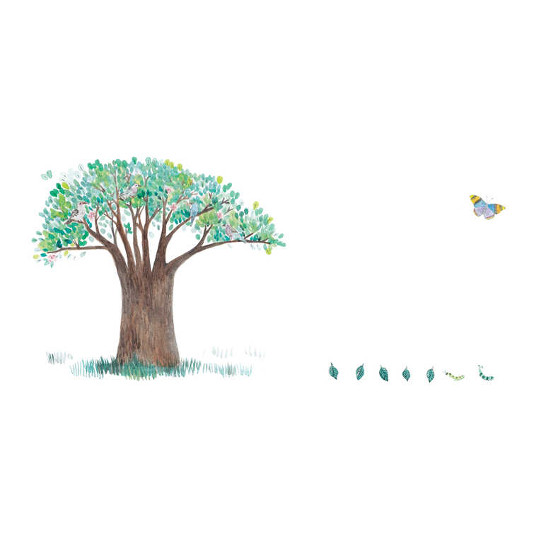
Wangari natimezi mwa silimo sa 2011, kono lwa kona kumuhupulanga nako kaufela halubona kota yende.
Wangari died in 2011, but we can think of her every time we see a beautiful tree.


 Nicola Rijsdijk
 Maya Marshak
 Christabel Songiso, Akombelwa Muyangana
 SiLozi (Zambia)
 Level 3
 The audio for this story is currently not available.