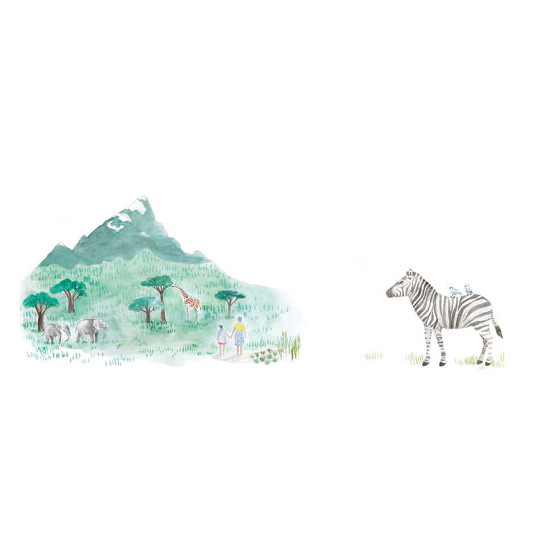
ǃGaroǃās ǃgoaǃnāgu ǀApas Afrikab Keniab ǃhomgu ǃnâs ge khari axarosa ǃhanab ǃnâ ǁîs di îs ǀkhā ra sîsen. ǁÎs ge Wangari ti ra ǀōngaihe.
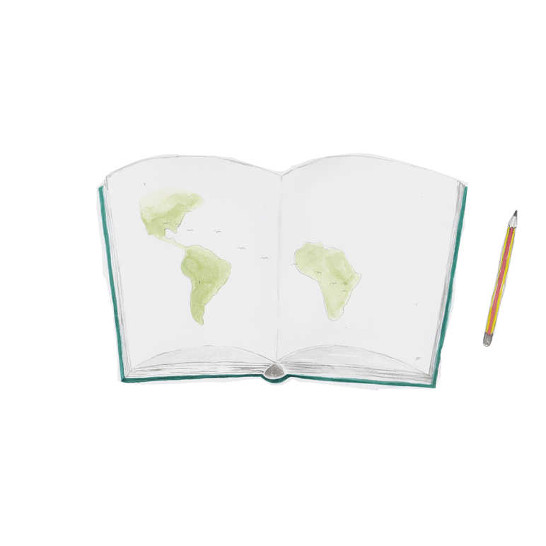
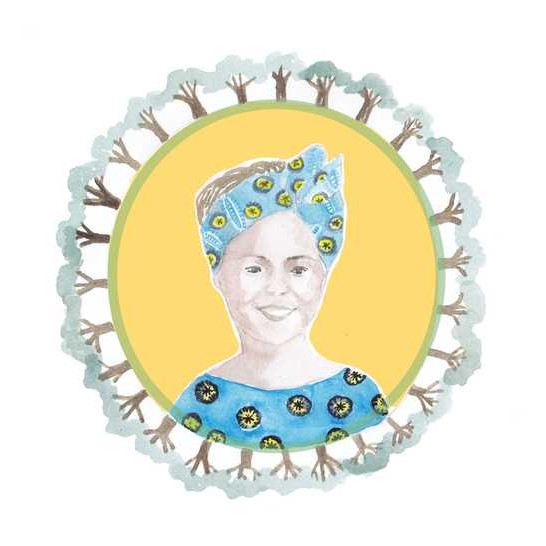
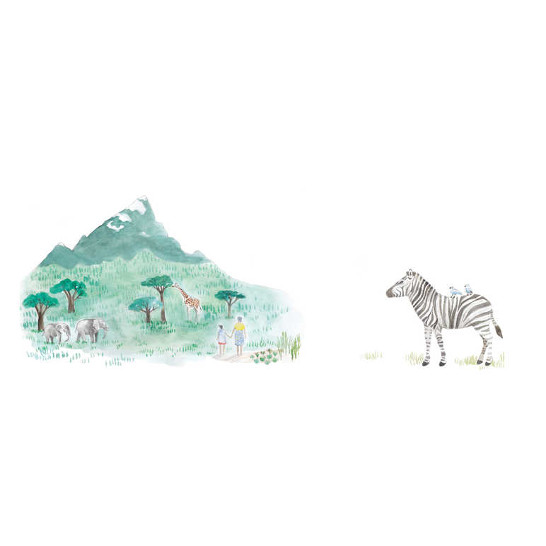
In a village on the slopes of Mount Kenya in East Africa, a little girl worked in the fields with her mother. Her name was Wangari.
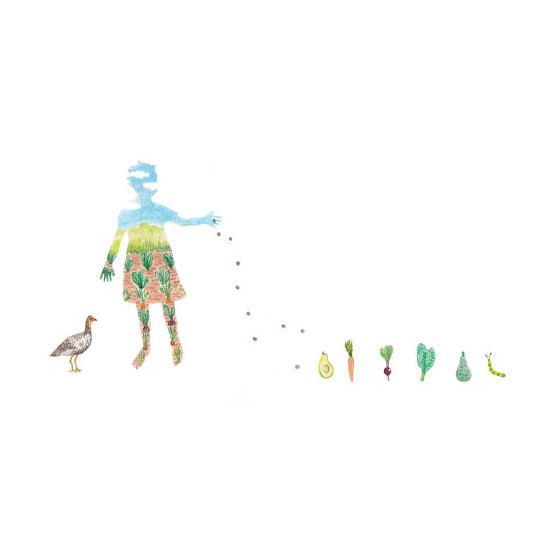
Wangaris ge ǃauga hâsa a ǀnamsa. ǁÎs ǀaokhoen ǃhanab ǃnâs ge ǁgapahaib ǀkhā ǃhūba ra nauǃā. Khari ǃhomrodes ge ǀgamsa ǃhūb ǃnâ ra ǁgâigā.
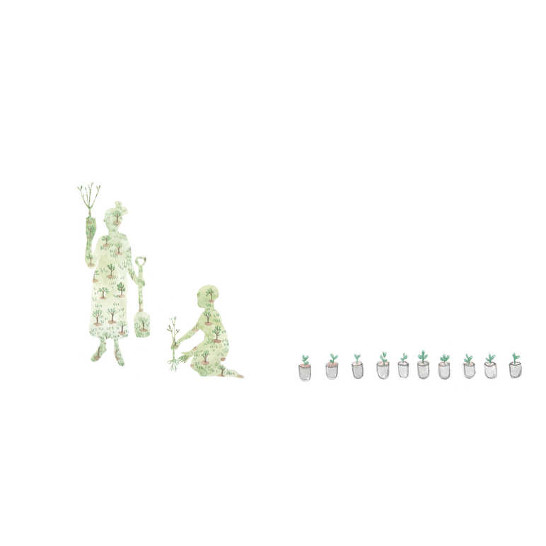
Wangari loved being outside. In her family’s food garden she broke up the soil with her machete. She pressed tiny seeds into the warm earth.
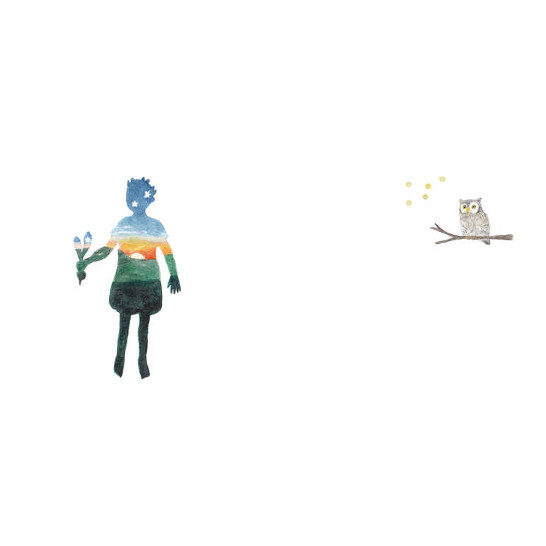
ǁÎs ǀō-aisa ǁaeb tsēs dib ge soresgâb khaoǃgâ ge īsa. Kaise i gere ǃhae nē hairode mûsa, os ge Wangarisa ge an i oms ǁga oas ǁaexa i go ǃkhaisa. ǁÎs ge ō daorogu, ǃāroga ra ǃgâuse gere oa.
Her favourite time of day was just after sunset. When it got too dark to see the plants, Wangari knew it was time to go home.
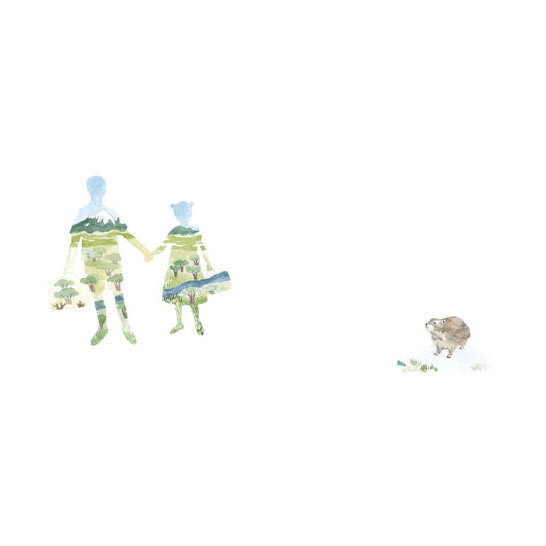
She would follow the narrow paths through the fields, crossing rivers as she went.
Wangaris ge kaise ge gā-ai i ǀgôasa tsîs ge ǁkhāti ge ǃâuǁoa i skolǃgûsa. Xawe ra ge ǁîs mamas tsî dadab tsî ra ge hâba hâ i hâ tsîs nî ǁgâus ai nî hui ra ǃkhaisa. Hû kurixas ge ī o, ob ge ǁîs abutiba ǁgûra ge ǁgari îs skolgâkaihe.
Wangari was a clever child and couldn’t wait to go to school. But her mother and father wanted her to stay and help them at home.
When she was seven years old, her big brother persuaded her parents to let her go to school.
ǁÎs ge ǁkhāǁkhāsensa a ǀnamsa! Wangaris ge ǃnāamsase ra ǁkhāǁkhāsen khomais ra khanidi ǀkhā. ǁÎs ge skoli ǃnâ kaise ǃgâise ge dī ǁhauuisas ge hōs kōse United States Amerikab dis ǁga ǁkhāǁkhāsens ǃaroma. Wangaris ge kaise ge khî hâ i. ǁÎs ge ǃhūbaib xa ge re anui gao.
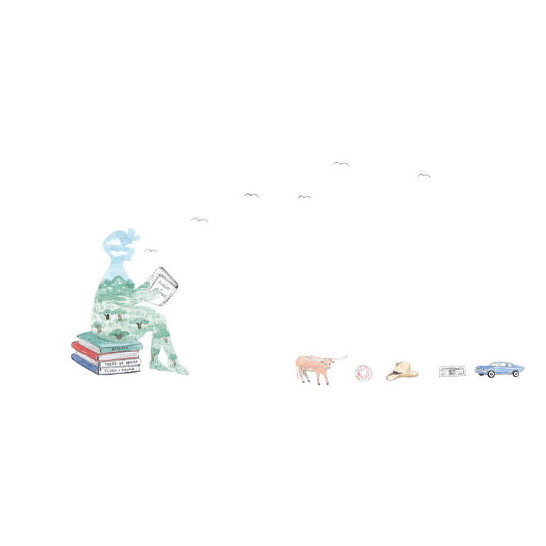
She liked to learn! Wangari learnt more and more with every book she read. She did so well at school that she was invited to study in the United States of America.
Wangari was excited! She wanted to know more about the world.
Amerikab universitaits tawas ge Wangarisa gui xūna ge ǁkhāǁkhāsen. ǁÎs ge hain age ǁkhāǁkhāsen tsî ǁîn ra kai ǀgausa. Tsîs ge ra âi-oa ǁîs ge kai ǀgausa: ǁîs abutigu ǀkhās gere ǀhuru ǀgausa îxa haidi somgu Keniab ǃgaroǃhūb di di ǃnâ.
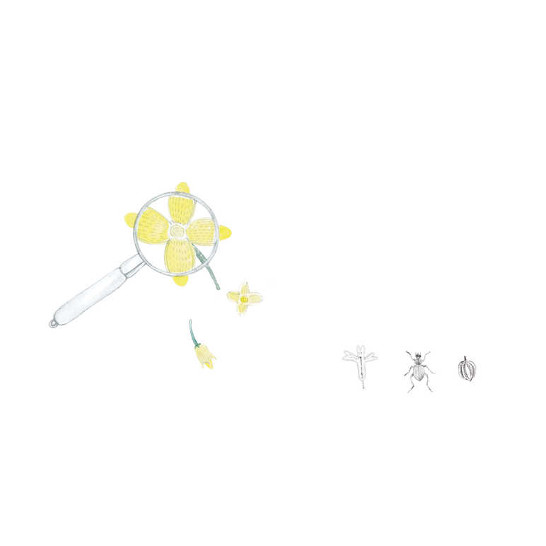
At the American university Wangari learnt many new things. She studied plants and how they grow. And she remembered how she grew: playing games with her brothers in the shade of the trees in the beautiful Kenyan forests.
ǃNāsases gere ǁkhāǁkhāsen khamis ge ge mûan Keniab khoenas kaise a ǀnam ǃkhaisa. ǁÎs ge hâba hâ îs ge khî tsî ǃnorasasen nî hâsa. ǃNāsases ra ǁkhāǁkhāsen khamis ge gere âi-oa ǁîs Afrikaǁî hâǃkhais xa.
The more she learnt, the more she realised that she loved the people of Kenya. She wanted them to be happy and free.
The more she learnt, the more she remembered her African home.
ǁÎs di ǁkhāǁkhāsendes ge a toa, os ge Keniaba ǃoa ge oa. Xaweb ge ǁîs ǃhūba ge dawa. Kai ǃgāroǃādi ge ǃhūb habase khorauisase ge ǁgoe-i. Taradi ge ǀaena ge ūhâ tama hâ-i sâi-ūs dina. Khoen ge ge ǀgâsa i tsîn ge ǀgôana gere ǃâ.
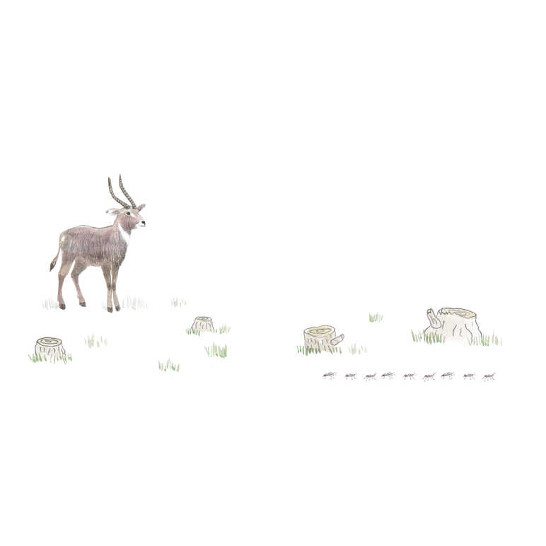
When she had finished her studies, she returned to Kenya. But her country had changed. Huge farms stretched across the land. Women had no wood to make cooking fires. The people were poor and the children were hungry.
Wangaris ge ge an i tare-es nî dīsa. ǁÎs ge tarade ge ǁkhāǁkhā mâti di ǃkhomde xū haide nî ǃīkai ǃkhaisa. Nē taradi ge haide ǁamaxū tsî mari-e gere sîsenū ǁîdi di omaride kōǃgâ-ūsa. ǁÎdi ge kaise ge khî i ǁnās ama. Wangaris ge ǁîde ge hui ǀgaisaǁâkhōba ūhâse tsî ǀgaisase tsâkais ǃnâ.
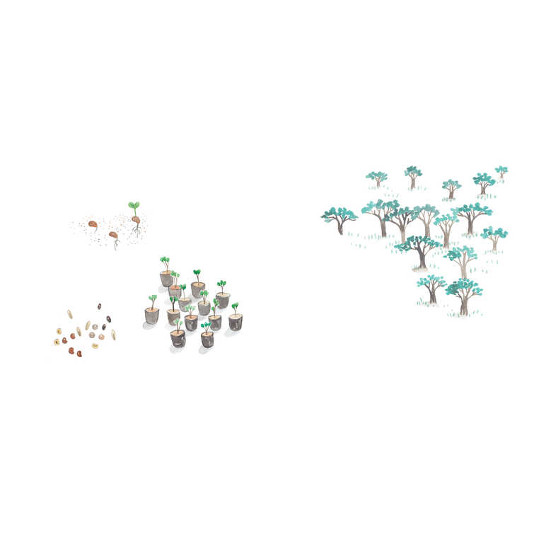
Wangari knew what to do. She taught the women how to plant trees from seeds. The women sold the trees and used the money to look after their families. The women were very happy. Wangari had helped them to feel powerful and strong.
ǁAeb ra ī khami di ge nē ǀasa haide ǃgaroba ge kuruui, tsî gu ge ǃāga ge ǃkhoetsoatsoa. Wangaris hôas ge Afrikab ǃnâ ge abaoa. Nētsē, miljun haidi ge Wangaris ǃkhomrode xū ge kai.
As time passed, the new trees grew into forests, and the rivers started flowing again. Wangari’s message spread across Africa. Today, millions of trees have grown from Wangari’s seeds.
Wangaris ge kaise ǃgarise gere sîsen. ǃHūbaib haba hâ khoen hoan ge nēsa ge ǃkhōǃgâ, tsî ǁîsa anansa māsa ge māsi. ǁÎs ge Nobel Peace Prize ti ansa, tsîs ge ǁîsa ge guro Afrikab tarare khoe kai ǁîsa ge ǃkhōǃoasa.
Wangari had worked hard. People all over the world took notice, and gave her a famous prize. It is called the Nobel Peace Prize, and she was the first African woman ever to receive it.
Wangaris ge 2011ǁî kurib ǃnâ ge ǁō, xawe da ga îxa haide mû ǁaeb hoaba da ge ǁîs xa ra âi.
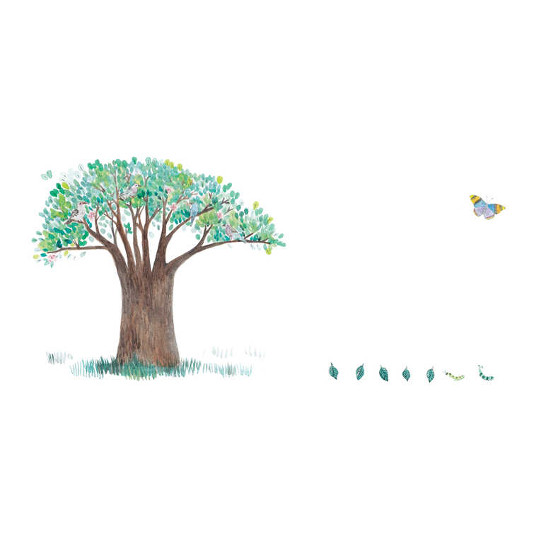
Wangari died in 2011, but we can think of her every time we see a beautiful tree.


 Nicola Rijsdijk
 Maya Marshak
 Maureen Merley So-Oabes
 Khoekhoegowab
 Level 3
 The audio for this story is currently not available.