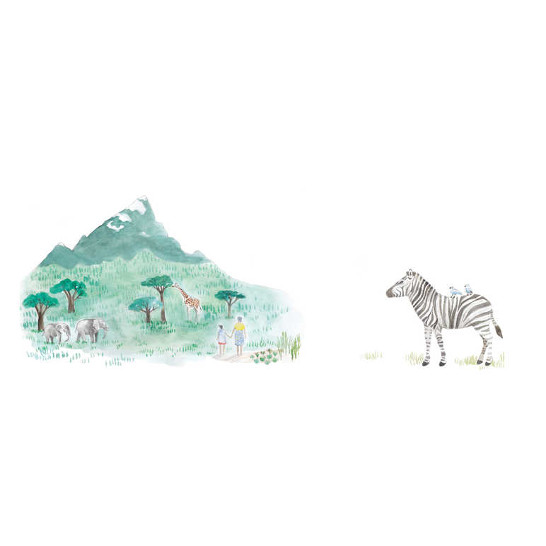
Amwa mu kyalo kya Kenya mukabeta ka kubuyeke musela bwa Afilika, muji muzhi muji mutumba wakunkuluka, mwaikalanga mwanyike wamukazhi waingilanga mumajimi na bainanji. Jizhina janji wajinga Wangari.
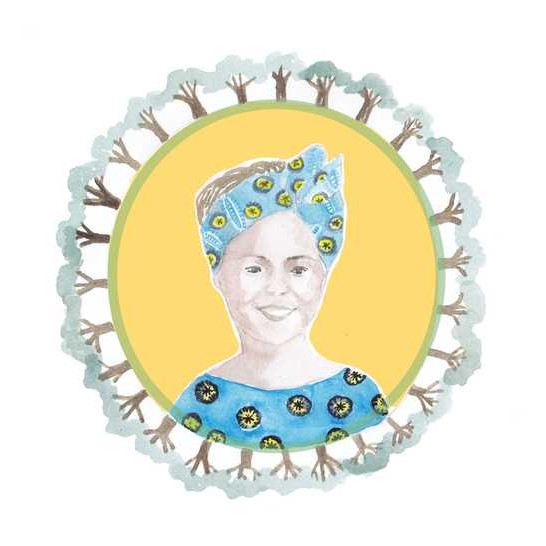
In a village on the slopes of Mount Kenya in East Africa, a little girl worked in the fields with her mother. Her name was Wangari.
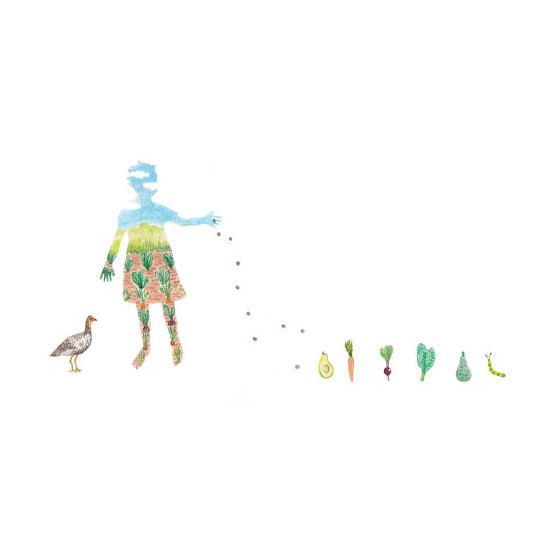
Wangari watemenwe bingi kwikala pangye. Watemenwe kujima mu mashamba akisemi na lukasu wanji. Wabyalanga nkunwa mumushiji.
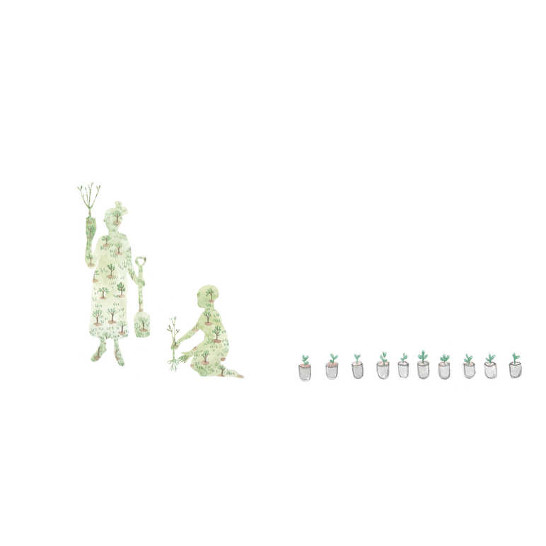
Wangari loved being outside. In her family’s food garden she broke up the soil with her machete. She pressed tiny seeds into the warm earth.
Kimye kyoatemweshe pa juuba ke kimye inge juuba kejiye nakuzhika. Inge pafita kakankalwe kumona bijimwa, popo ayukanga amba kimye kyakuya kunzubo kyafika. Wapitanga mujishinda jakaloolo pakachi kamajimi saka aabuka mikola.
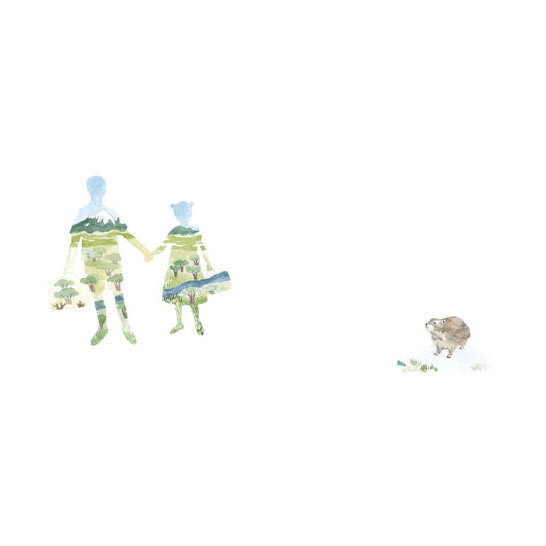
Her favourite time of day was just after sunset. When it got too dark to see the plants, Wangari knew it was time to go home.
She would follow the narrow paths through the fields, crossing rivers as she went.
Wangari wajinga mwanyike wajimukile bingi kabiji wakebeshe bingi kutendeka sukuulu. Bino ba inanji ne ba shanji bakebeshe bingi amba ekalenga pa nzubo saka ebakwashako mingilo yapa nzubo. Byoafikizhe myaka yakusemwa itanu na ibiji, kolojanji wamulume wakambizhe ba nsemi amba bamutendekeshe sukuulu.
Wangari was a clever child and couldn’t wait to go to school. But her mother and father wanted her to stay and help them at home.
When she was seven years old, her big brother persuaded her parents to let her go to school.
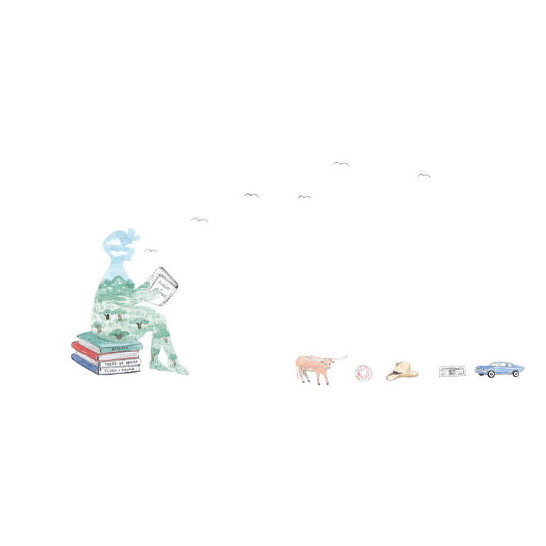
She liked to learn! Wangari learnt more and more with every book she read. She did so well at school that she was invited to study in the United States of America.
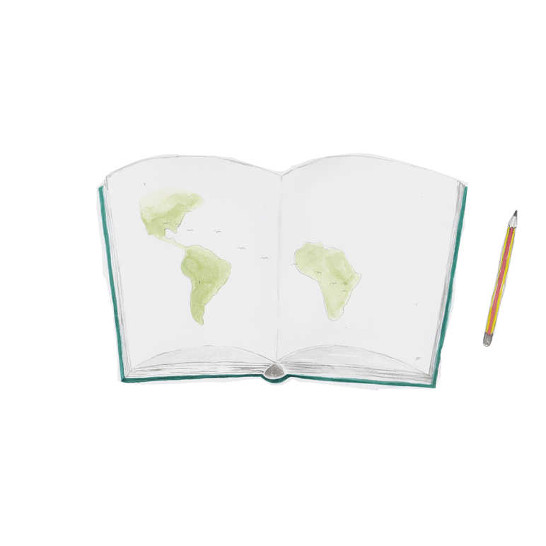
Wangari was excited! She wanted to know more about the world.
Pasukuulu mukatampe wa Yunivesiti wamu Amelika, Wangari wafunjile bintu byavula bingi byakatataka. Wafunjile pa bijimwa kabiji nebyo bikoma. Kabiji wavulukile nebyo akomenenga: kukaya bisela na bakolojanji babalume mukimfutele kya bichi mumasaka awama amu kyalo kya Kenya.
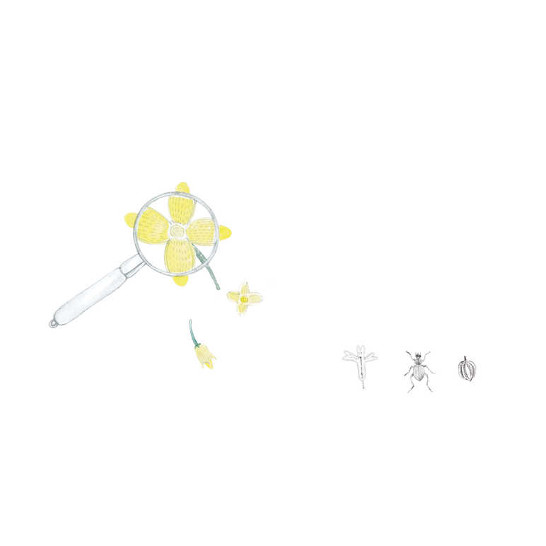
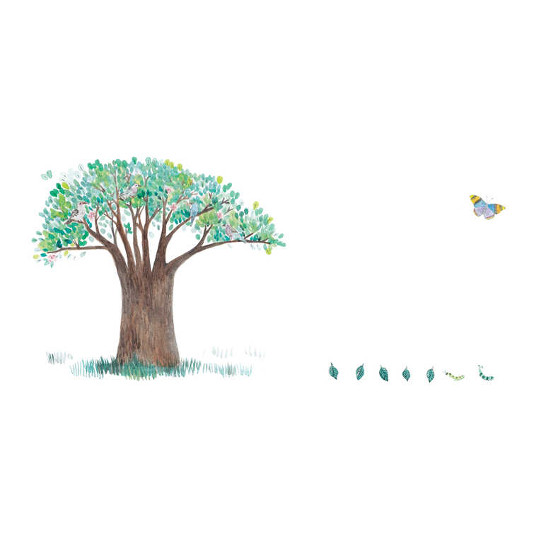
At the American university Wangari learnt many new things. She studied plants and how they grow. And she remembered how she grew: playing games with her brothers in the shade of the trees in the beautiful Kenyan forests.
Byoapitaizhe kufunda, popo ayukile amba nanchi watemenwe bingi bantu bamu kyalo kya Kenya. Wakebeshenga bingi amba bekale basangalala kabiji ba kasuluka. Byo apitaizhe kufunda, wavulukilenga bingi muzhi wabo mu Afilika.
The more she learnt, the more she realised that she loved the people of Kenya. She wanted them to be happy and free.
The more she learnt, the more she remembered her African home.
Panyuma yakupwisha kufundo kwanji, wabwelele ku Kenya. Wataine kyalo kyanji kyapimpulwa. Wataine mafwamu akatampe mu kyalo. Bainetu kechi bajingapo nakwakuchaba nkunyi yakubanzilapo mijilo yakuteekelapo ne. Bantu bayanjile kabiji ne baana bajinga na nzala.
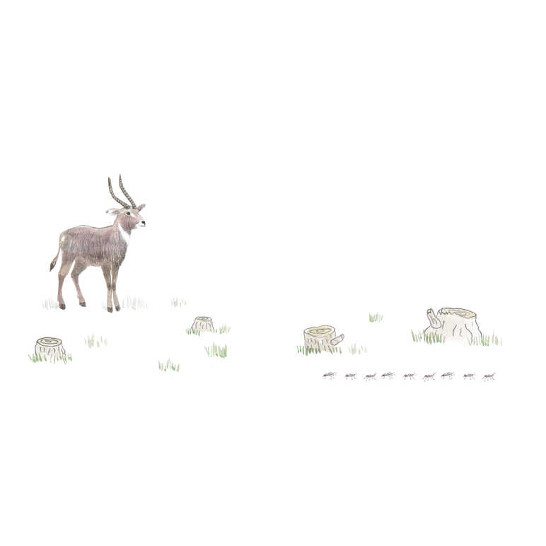
When she had finished her studies, she returned to Kenya. But her country had changed. Huge farms stretched across the land. Women had no wood to make cooking fires. The people were poor and the children were hungry.
Wangari wayukile bya kuuba. Wafunjishile bainetu byakujimba bichi kufumya ku nkunwa. Bainetu bapoteshenga bichi ne kwingijisha mali kulaminamo bisemi byabo. Bainetu basangalele bingi. Wangari wibakwashishe kwikala nangovu kabiji ne kukosa.
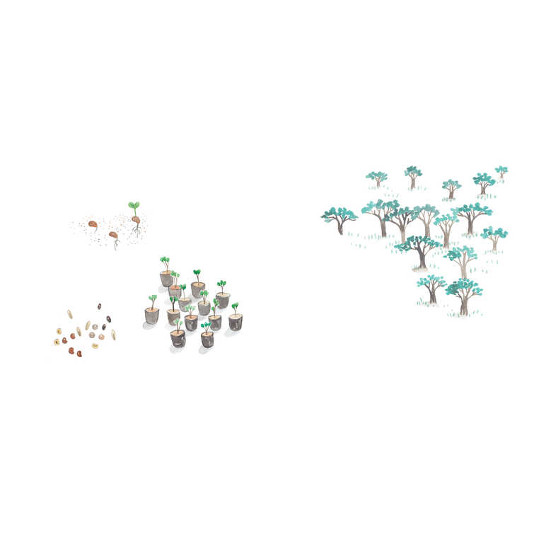
Wangari knew what to do. She taught the women how to plant trees from seeds. The women sold the trees and used the money to look after their families. The women were very happy. Wangari had helped them to feel powerful and strong.
Pakupitapo myaka, bichi byakatataka byonse byakomene ne kwikala kejisaka kabiji ne mikola yatendekele kupita meema jikwabo. Sawakya wakwa Wangari wasampukile mu kibunji kya Afilika kyonse. Leelo, biumbi ne biumbi bya bichi byajimwa kufuma ku nkunwa yakwa Wangari.
As time passed, the new trees grew into forests, and the rivers started flowing again. Wangari’s message spread across Africa. Today, millions of trees have grown from Wangari’s seeds.
Wangari had worked hard. People all over the world took notice, and gave her a famous prize. It is called the Nobel Peace Prize, and she was the first African woman ever to receive it.